



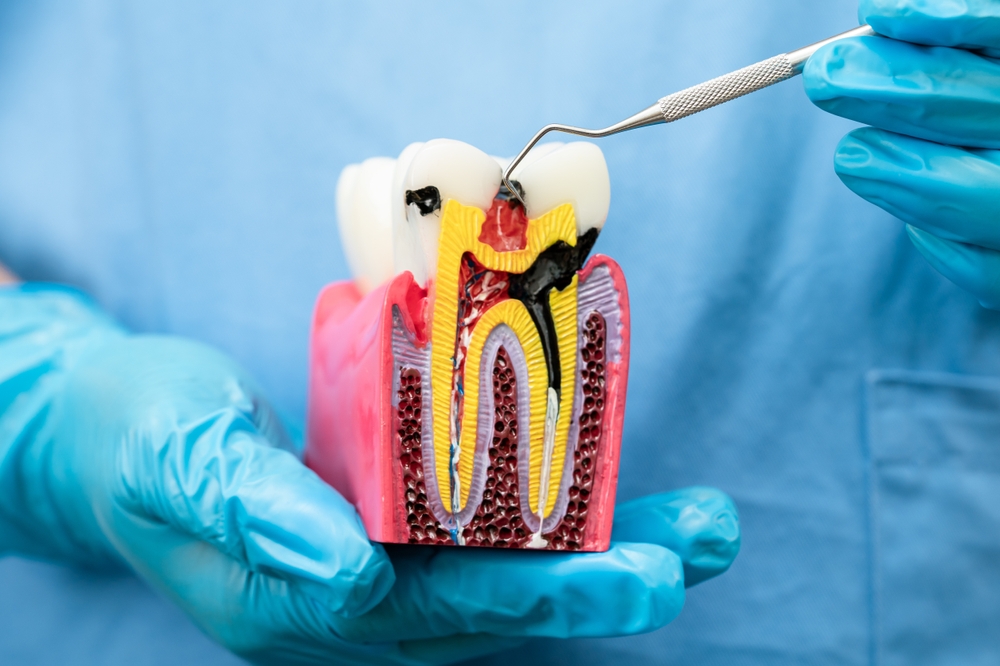
Will I need a crown after a root canal? A root canal is done when a tooth is infected or badly decayed. Many people wonder if they will need a crown after the treatment. Understanding what a root canal is and how it works can help you make good choices for your dental health.
If you are looking for guidance, a dentist in SW Calgary can assess your tooth and provide personalized recommendations to restore both function and appearance. Proper care after a root canal ensures your tooth remains strong and healthy.
What Happens During a Root Canal
A root canal in SW Calgary involves removing the infected pulp from inside the tooth, cleaning the canals, and sealing them to prevent further infection. This procedure preserves your natural tooth and stops pain caused by infection or decay.
Steps in a root canal typically include:
- Administering local anesthesia
- Removing infected or damaged tissue
- Cleaning and shaping the root canals
- Sealing the canals with a dental filling material
- Placing a temporary or permanent restoration
The treatment not only relieves pain but also maintains the tooth’s structure for normal function.
What Is a Dental Crown and Why May It Be Needed
After a root canal, the tooth may become less strong. The crown is an entire tooth-shaped “cap” securely placed over the tooth. This strengthens the tooth while improving its shape and appearance.
Dentists usually recommend using dental crowns in SW Calgary on back teeth or teeth that have large fillings after a root canal.
The advantages of pursuing a crown.
- Stopping breaks in compromised teeth.
- Restoring appropriate chewing function.
- Enhancing the tooth appearance.
- Shielding our future destruction.
With proper care, the treated tooth can last for many years thanks to a crown.
Tooth Restoration Options
Crowns are common, but some patients may want other options. The choice depends on the tooth’s size, location, and condition:
- Tooth-colored fillings: Good for small cavities or front teeth with only minor damage.
- Onlays or overlays: Cover larger portions of the tooth but preserve some natural structure
- Full crowns: Recommended for teeth that have lost significant structure after decay or a root canal
Consulting a dentist near you helps determine the most suitable option based on your oral health needs.
Caring for a Tooth After a Root Canal
In order to maintain the results of a root canal and any restoration, proper care is essential.
- Use fluoride toothpaste to brush twice a day.
- Gently floss around the restored tooth.
- Do not chew hard food until the permanent crown is placed.
- Participate in routine dental checkups to monitor the health of teeth.
Taking these steps lowers the chances of complications and increases success.
Protect Your Smile Today!
If you have a damaged or infected tooth, don’t wait to restore it. At Cedarbrae Family Dental, our team can guide you through root canal treatment and crown placement. Book an appointment today to keep your teeth healthy and strong.
FAQs
- Is it necessary to have a crown after a root canal?
Not the times. Teeth that have lost significant structure will need a crown; smaller teeth or front teeth may do well with a filling.
- What is the lifespan of a crown on a root canal?
When given proper care, a tooth that has undergone root canal treatment and received a crown can last 10-15 years or more.
- Will crown placement hurt following a root canal?
No, it does not hurt as the tooth is usually treated and pain-free during the fixing of the crown.
- Is it okay to resume regular eating after a root canal and crown?
Yes, normal chewing is safe with the permanent crown after it is placed—soft foods are to be eaten with temporary crowns.